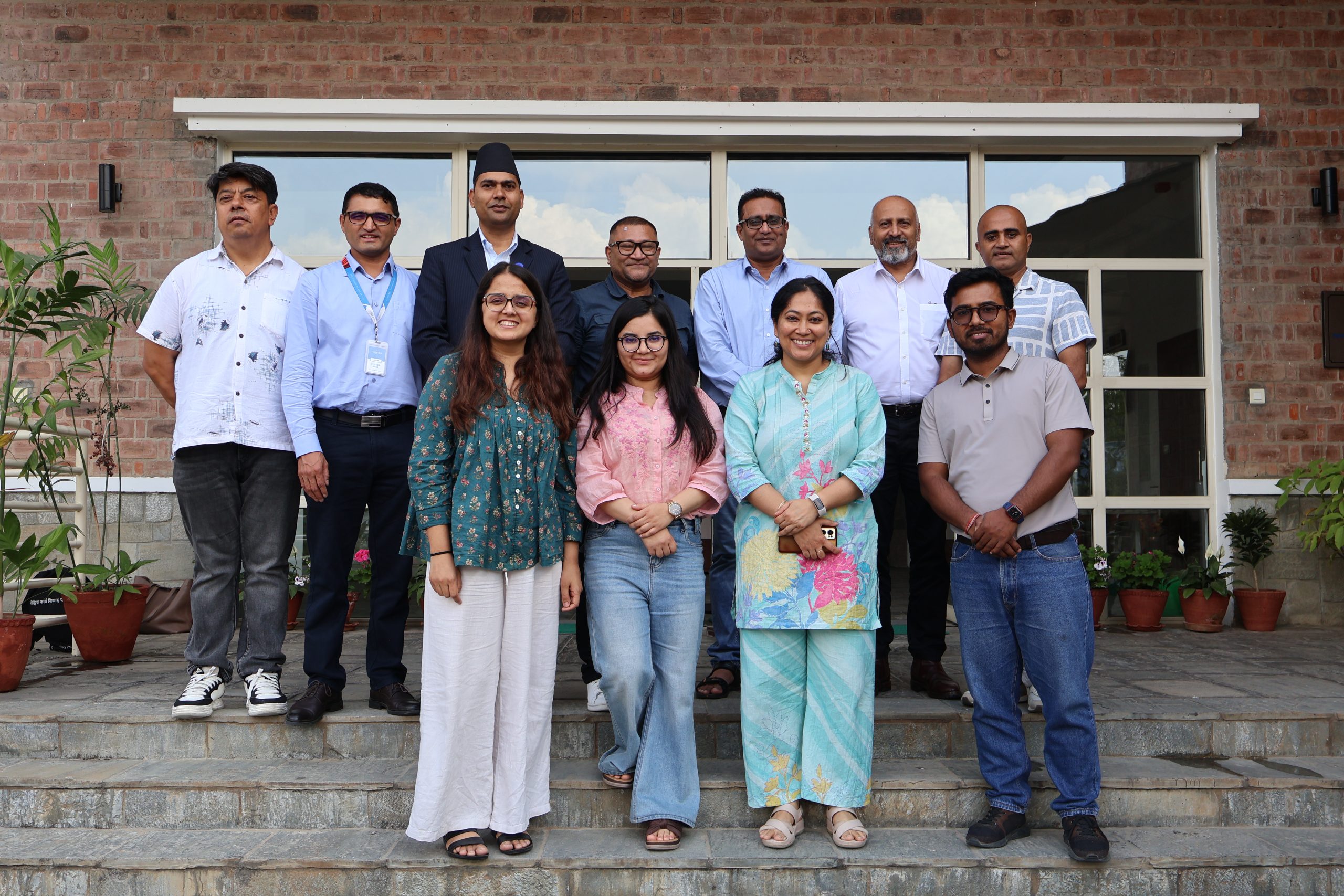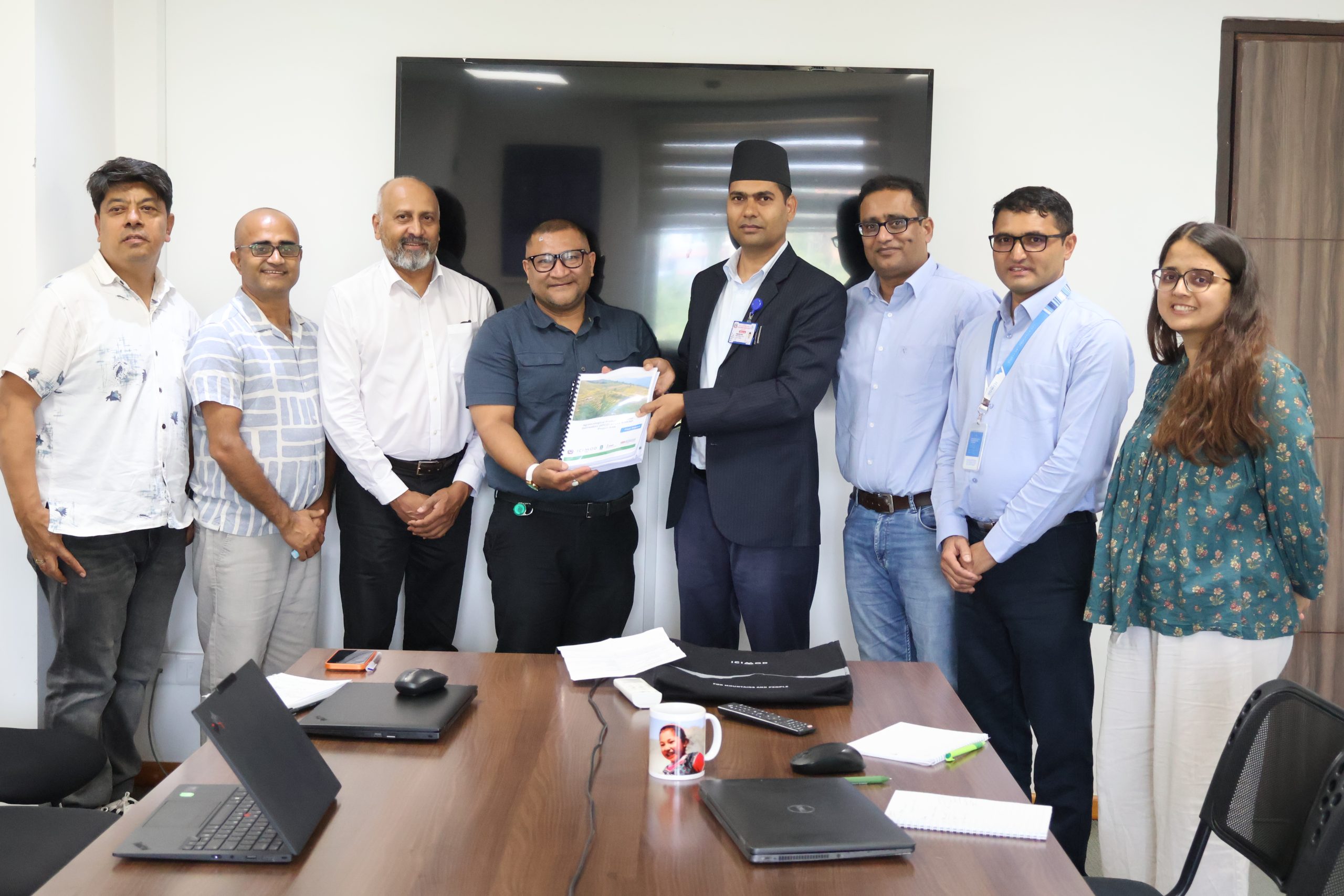
The Promoting Resilient Agroecological Systems (PRAS) Project marked a significant milestone with the official handover of Agroecological Production Cluster Delineation (APCD), Palika Agroecology Plan (PAP) guidelines, and prototypes of three municipalities (Lekbeshi Municipality, Aathbis Municipality, and Patarashi Rural Municipality) and Training of Trainers (TOT) Manuals on Agroecology to the Government of Nepal on June 15, 2026.
The PRAS initiative, implemented in Western Nepal and the Hindu Kush Himalaya region, is funded by the UK’s Foreign, Commonwealth and Development Office (FCDO) and managed by the International Center for Integrated Mountain Development (ICIMOD) in collaboration with the International Fund for Agricultural Development (IFAD) funded R-HVAP. These guiding documents were developed by Local Initiatives for Biodiversity, Research and Development (LI-BIRD), through a collaborative, multi-stakeholder engagement process to advance agroecological transition in Nepal.
The handover ceremony, jointly organized by ICIMOD and LI-BIRD, brought together representatives from ICIMOD, LI-BIRD, IFAD, and the FCDO, including IFAD Country Director Mr. Roshan Cooke and Mr. Ugan Manandhar from FCDO. The programme was facilitated by Mr. Kamal Prasad Aryal, Climate Resilient Agriculture Specialist at ICIMOD. The documents were formally handed over to Mr. Gokul Bohara, Joint Secretary and Programme Coordinator of the Resilient High Value Agricultural Programme (RHVIP), Government of Nepal.
Speaking at the event, Mr. Cooke reflected on the background of the PRAS project and acknowledged its successful journey as it reaches closure. He highlighted that the PAP and manuals are “living documents” that will continue to support the adoption and scaling agroecological practices within and beyond the project.
Mr. Laxman Khatri, Head of Programmes at LIBIRD, acknowledged the contributions of all stakeholders involved in the development of the APCD, PAP and ToT manuals. He emphasized how the project has successfully established linkages with the R-HVAP, aligning with Nepal’s agroecological roadmap, while the PAP contributes to the localization of agroecology roadmap at local level.
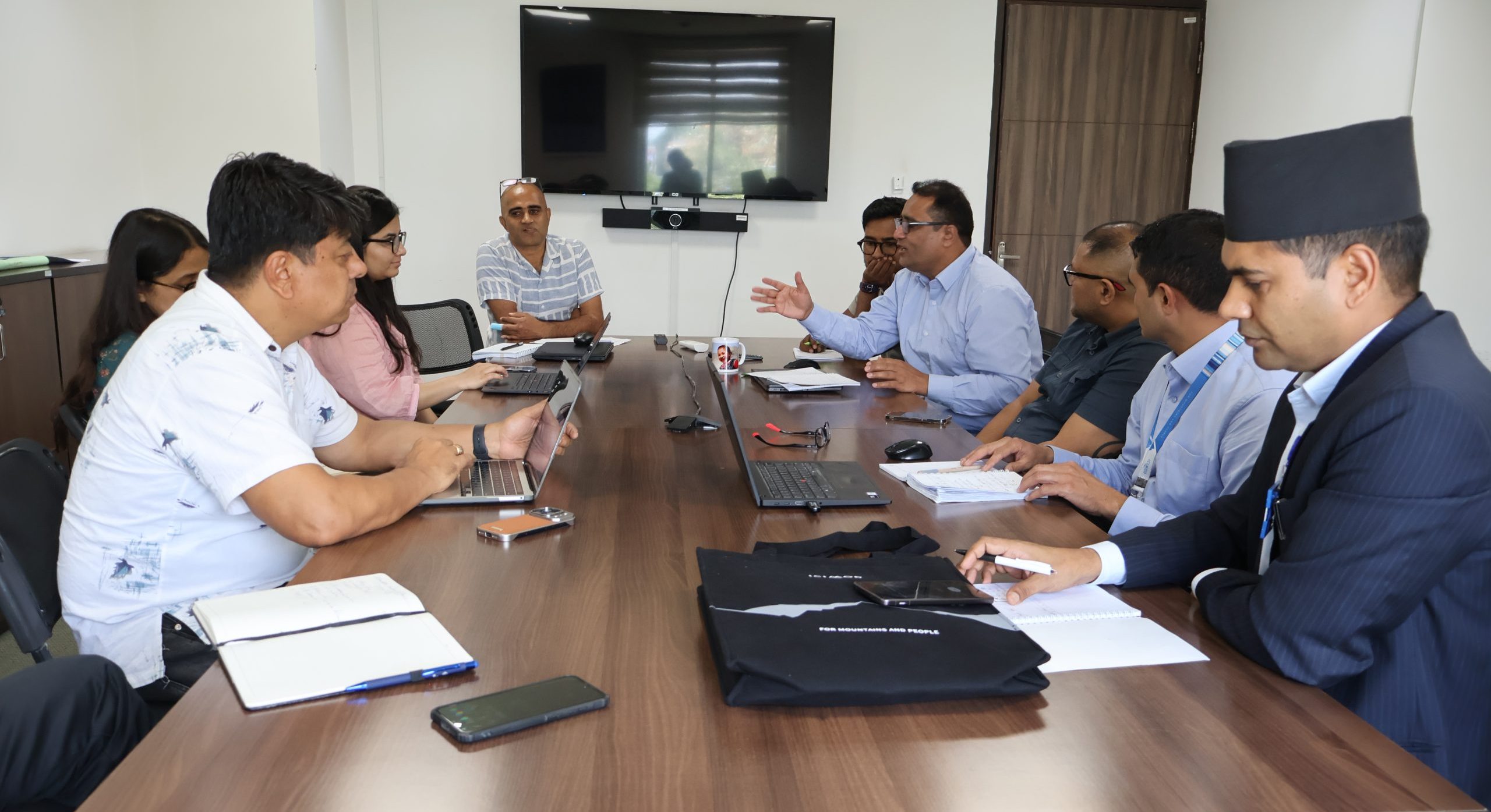
Mr. Ugan Manandhar emphasized that aligning and integrating PRAS initiatives with the government flagship programme, i.e., R-HVAP, will enhance their value and long-term sustainability. He also stressed the importance of linking ecological practices to ensure economic benefits for farming communities to support sustainability.
In his remarks, Mr. Gokul Bohara praised the initiative for bringing together leading expertise and practices to produce a remarkable and comprehensive documents. He shared that these documents would support the Government of Nepal in designing more robust, effective and informed agricultural plans for the upcoming fiscal year. He further stressed the importance of disseminating the on-farm knowledge captured in the manuals to relevant authorities and stakeholders to maximize impact and outcomes.
Providing a regional perspective, Dr. Abid Hussain, Lead Economist at ICIMOD, emphasized the important role of APCD and PAP in integrating value chains within agroecology. He highlighted that strengthening the value chain is essential to ensure the sustainability, market viability, and scalability of agroecological production.
As dynamic ‘living documents’, these manuals and guidelines are envisioned to continue to evolve and adapt over time in response to emerging needs and lessons learned. Their integration into Nepal’s agroecology framework contributes to advancing resilient, sustainable, and climate-adaptive agricultural systems across the country.