
Local Initiatives for Biodiversity, Research and Development (LI-BIRD) is serving as the national advocacy partner, in a regional project Nutrition Smart CommUNITY-III (NSC-III) : Strengthening adaptive and inclusive food systems to improve food security and climate resilience in South Asia, implemented in Nepal, India and Bangladesh. LI-BIRD is also implementing at the local levels in Barahtaal Rural Municipality of Surkhet and Dullu Municipality of Dailekh, Karnali province, one of the most food insecure and malnutrition severe provinces in Nepal. NSC-III is a regional initiative being implemented in Nepal, India, and Bangladesh with technical support from Welthungerhilfe (WHH) and financial support from the German Federal Ministry of Economic Cooperation and Development (BMZ). The NSC programming approach centers around food systems and focuses on strengthening governance and service delivery. It aims to do so by empowering and mobilizing community champions, networks, and federations for sustainability, and at the same time, the project contributes to strengthening nutrition-sensitive planning and platforms by ensuring participation of empowered communities and their networks. It plans to collaborate with the government to achieve national nutrition goals by promoting proven strategies and programmes on nutrition derived from NSC Phase I and II.
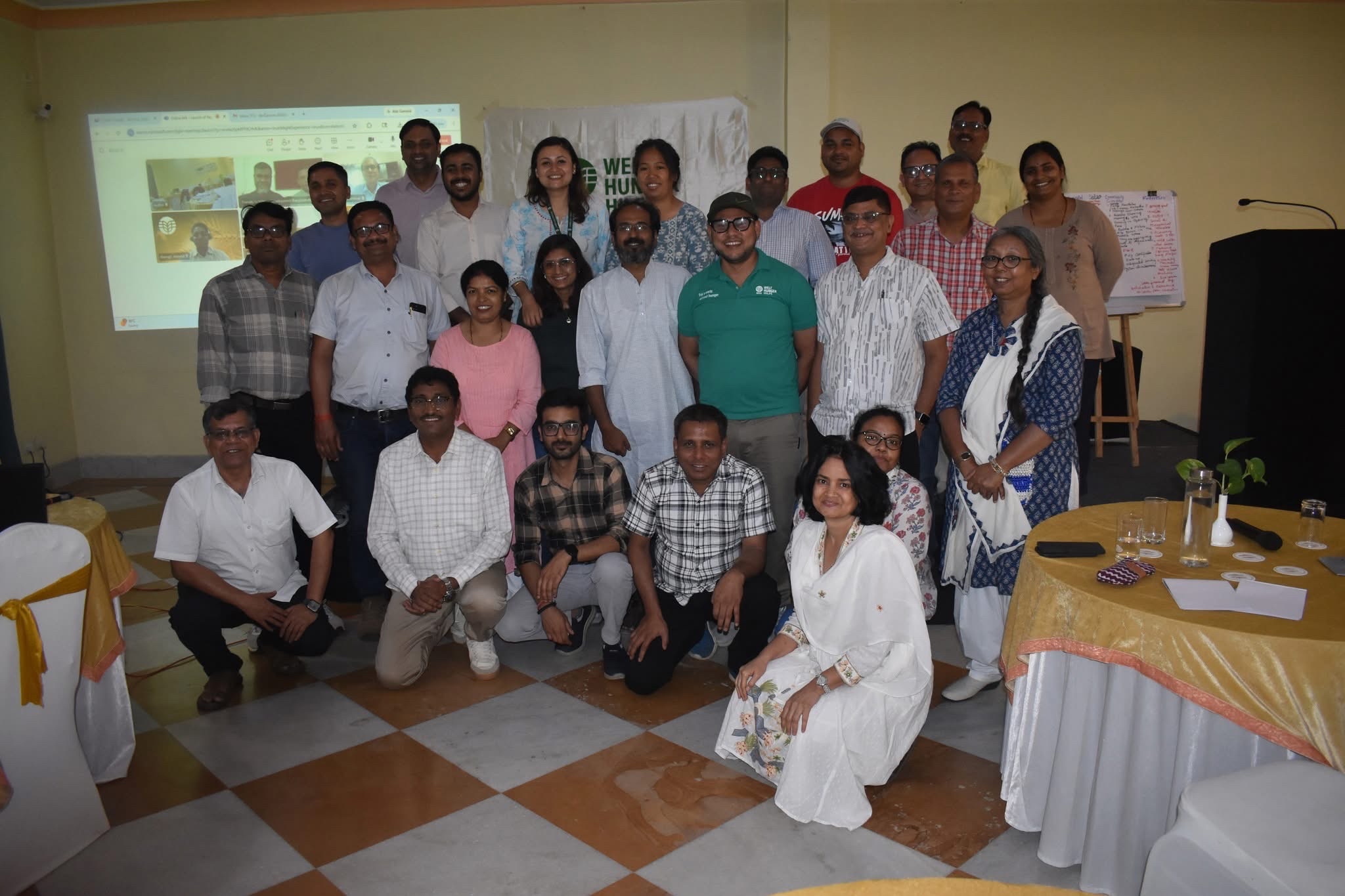
The projects’ launching workshop was held in Khajuraho, Chhatarpur, MP, India, from 12th to 14th May, with active participation from eight partner organizations of Nepal, India and Bangladesh withthe aim to build a common understanding of the project goal and intended impact, more importantly, form a foundation for collective learning, action, and knowledge exchange, which is critical for achieving the goal and sustainability of the project initiatives.
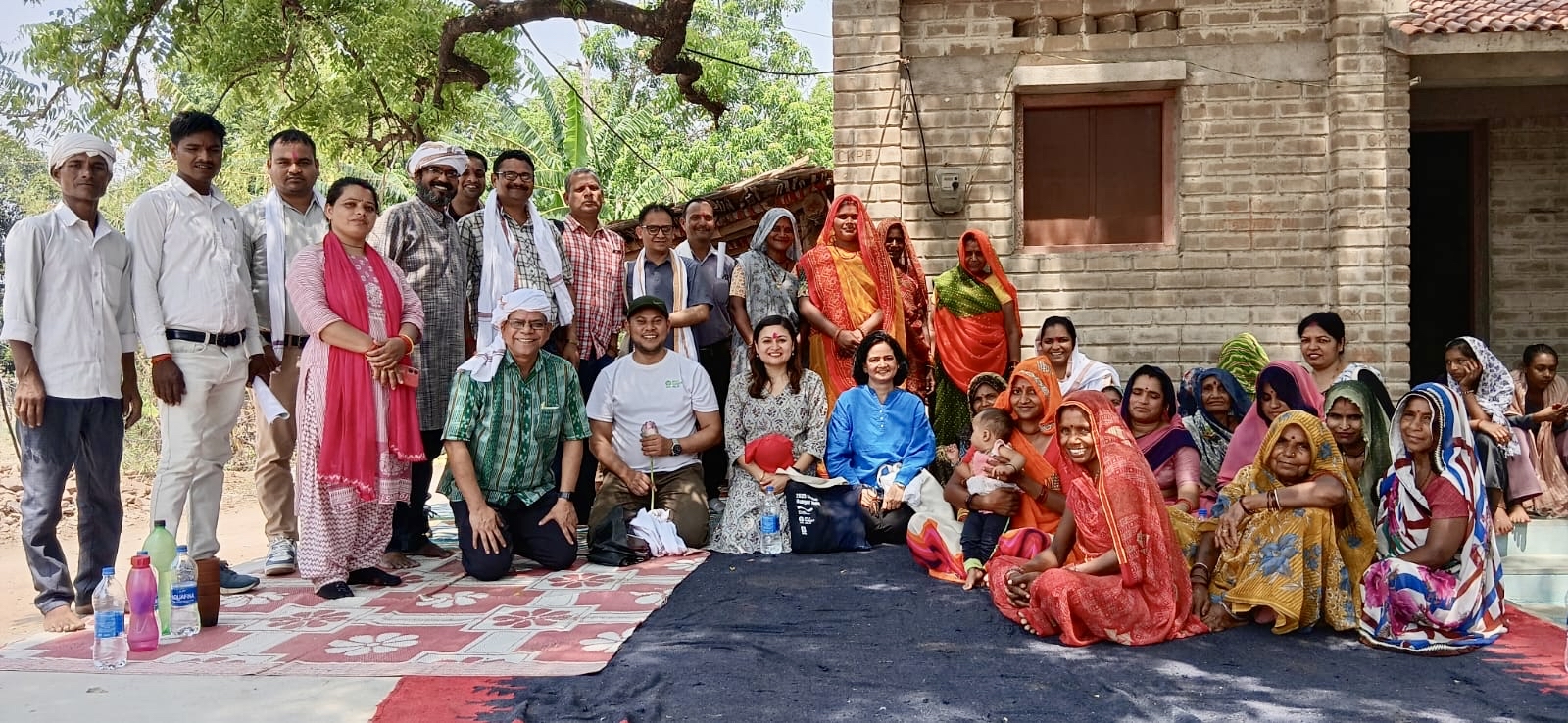
The Kick-off day focused on sharing the regional programme rationale, food systems transformation concept, project overviews, and community-led initiatives. Mr. Shakeb Nabi, Country Director of WHH Nepal, emphasized the importance of regional programming for achieving greater impact, noting that the countries share similar cultures, geography, resources, and socio-economic structures, and therefore face many of the same challenges related to Food and Nutrition. He highlighted that collective action and collaboration are the way forward for building a resilient and sustainable food system. A panel discussion featuring “Four Food & Nutrition Champions” highlighted local innovations and lessons learned in promoting nutrition and sustainable food systems within their communities, making participants better understand the importance of community-led and locally adapted activities in addressing food and nutrition challenges, followed by “Landscape Photo Stories” exhibition, The second day started with field visits to Patan and Saliya villages, where participants observed the implementation and impact of the first and second phases of the NSC project at the community leveland observe local innovations in farming practices. The third day of the workshop was entirely focused on identifying priority actions for the next two quarters, presentation of work plans, and discussions on the way forward for effective implementation of the project across the three countries. The workshop concluded with energized collective commitment of all partner organizations toward achieving the objectives of the NSC-III project.
The launching workshop highlighted the importance of integrating creative and engaging approaches like art-based, games to support behavioral change in school children, and recognizing them as change agents to influence households and communities. While we roll out NSC-III in Nepal, we start with reanalyzing how this initiative can align and join hands with ongoing and existing initiatives and actors to contribute towards national targets and improved nutrition indicators.
Overall, the workshop developed a shared understanding that sustained improvements in food and nutrition systems require coordinated action, community ownership, and multi sectoral engagement across all levels in Nepal, India and Bangladesh.