
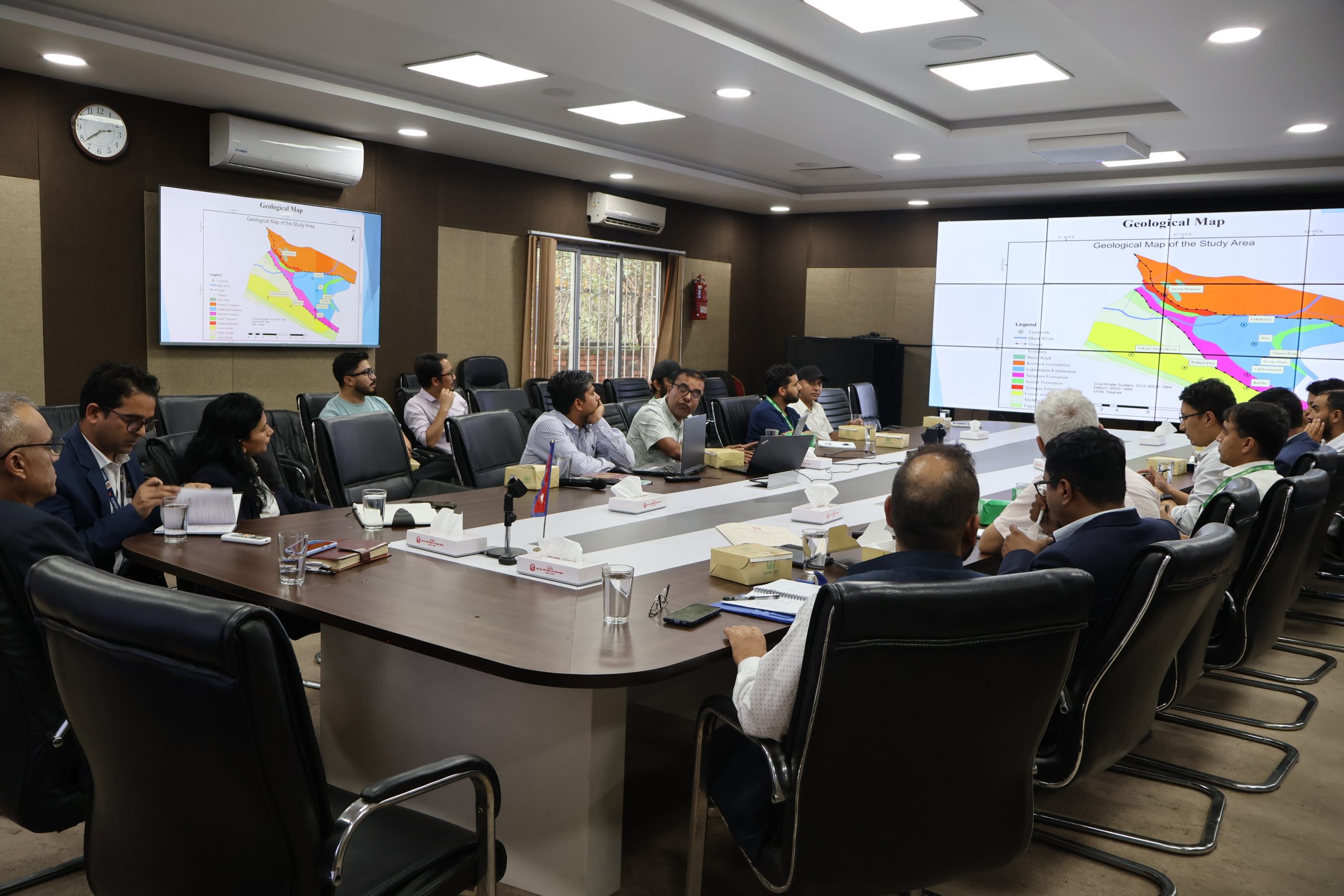
On 16 July 2026, LI-BIRD submitted a report on a Rapid Geo-Hazard Assessment conducted across 14 wards of Gurbhakot Municipality, Surkhet District, Karnali Province, to the National Disaster Risk Reduction and Management Authority (NDRRMA).
The assessment was carried out under LI-BIRD’s PRARAMBHA Project, with support from WHH Nepal and in close coordination with NDRRMA and study support from Himalayan Earth Science Research Center and Solutions Pvt. Ltd. The primary objective is to conduct a rapid geo-hazard assessment of pre-identified landslide-prone sites. Specific activities involve performing geological and geomorphological studies, creating integrated “Element at Risk” maps, and delivering actionable recommendations concerning intervention urgency, the critical need for further studies, and viable partial or complete relocation site options.
The methodology follows four sequential phases. First, a desk study analysed historical and topographical data. Second, participatory approaches, including stakeholder meetings and focus group discussions, gathered vital socio-economic insights. Third, field investigations utilised GPS and drones to validate geological conditions. Finally, GIS modelling generated risk maps and informed mitigation strategies. These methods enabled the identification of high-risk zones and provided valuable insights into the level of threat faced by households situated in vulnerable locations. The findings offer important evidence for disaster preparedness, risk-informed planning, and the implementation of mitigation measures at the local level.
Prior to its submission to NDRRMA, the report had already been shared with Gurbhakot Municipality to support local disaster risk reduction and management initiatives. The assessment findings are expected to assist municipal authorities, provincial agencies, and national institutions in strengthening their understanding of geo-hazard risks like landslides and enhancing community resilience.
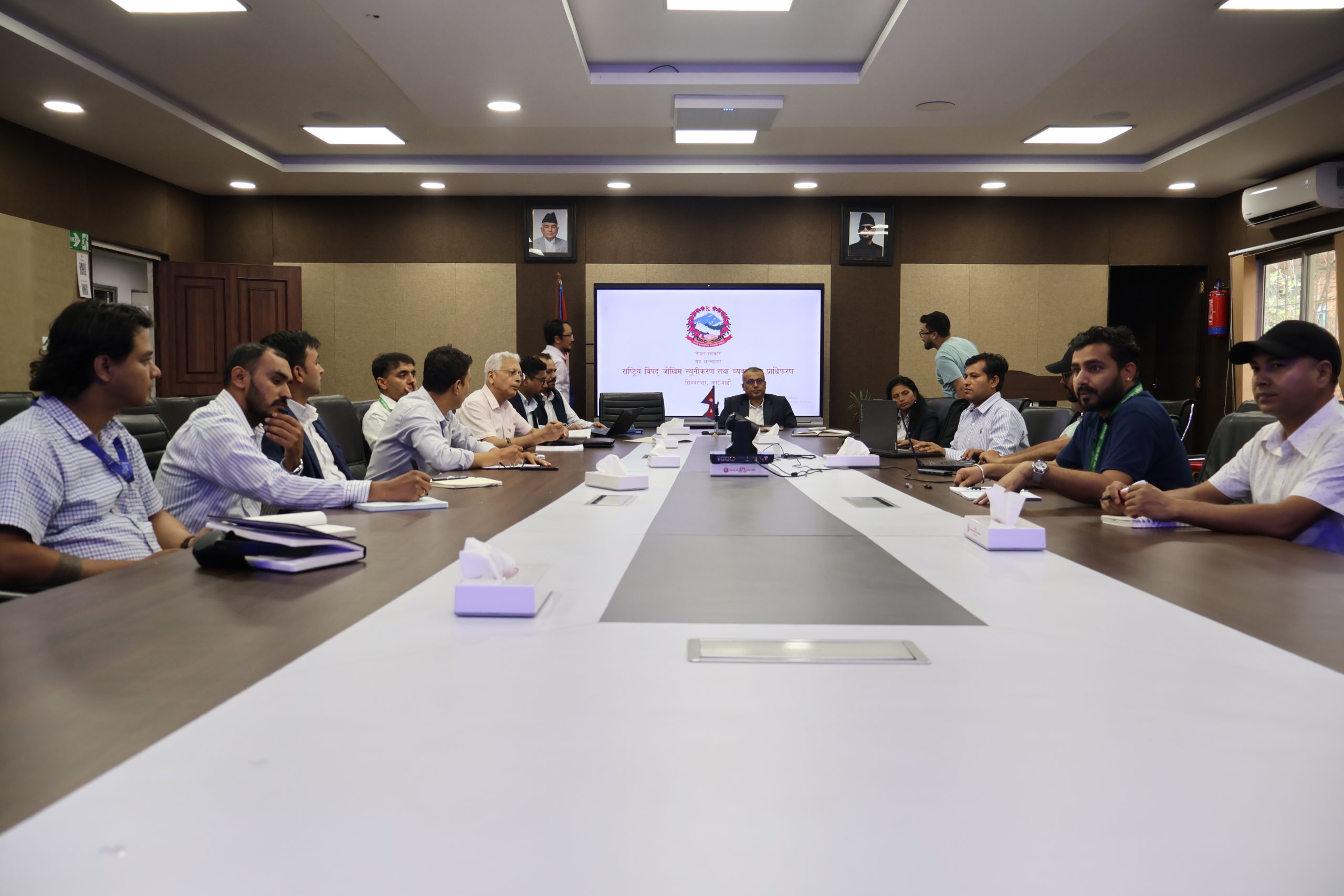
The meeting was a fruitful gathering of officials from NDRRMA, along with representatives from the organizations and stakeholders involved in the assessment process. Participants discussed the key findings of the study and the importance of data-driven approaches in reducing disaster risks and safeguarding vulnerable communities.
Through this initiative, LI-BIRD continues to support evidence-based disaster risk reduction efforts, contributing to safer and more resilient communities in Karnali Province and beyond.