
In the early 2010s, large amounts of funding were made available to national governments to support adaptation to climate change. However, these funds did not have the desired impact on climate change adaptation because little attention was paid to the actual problems, needs, and solutions, especially to the interests and capabilities of smallholder farmers and other poor producers in these countries.
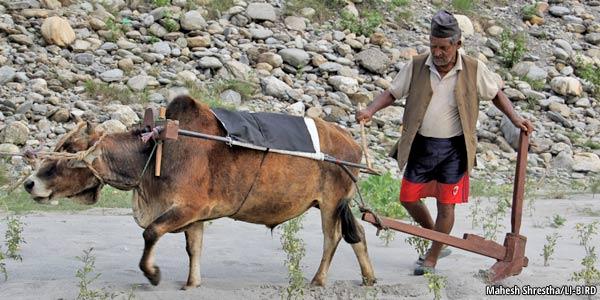
In this context, this project introduced the concept of starting the climate change adaptation process by looking at the more positive side of things: by recognising what adaptive mechanisms local people had already come up with and thus building on those. This contributed to understanding the role of enhancing local capacity as a means of dealing with climate change, as an entry point to develop “innovative adaptive communities”. It was identified through exploratory studies in Ethiopia, Niger, and Nepal that rural communities, through their own initiatives, developed several innovations to respond to erratic precipitation (flood and drought) and increased temperature. Documentation of such innovations and capacity building of the rural innovators to interact with other holders of relevant knowledge in joint innovation, a process known as participatory innovation development (PID), enhanced climate change adaptation.
Project Details
Countries
Nepal
Province
Working district
Siraha, Ramechhap
Municipality
Duration
January 2012 - December 2014
Partners
CEDAC (Cambodia), INHERE India, PROLINNOVA Nepal
Funded by
Misereor - BMZ Germany
Household Coverage
Contact Person
E-mail: info@libird.org