
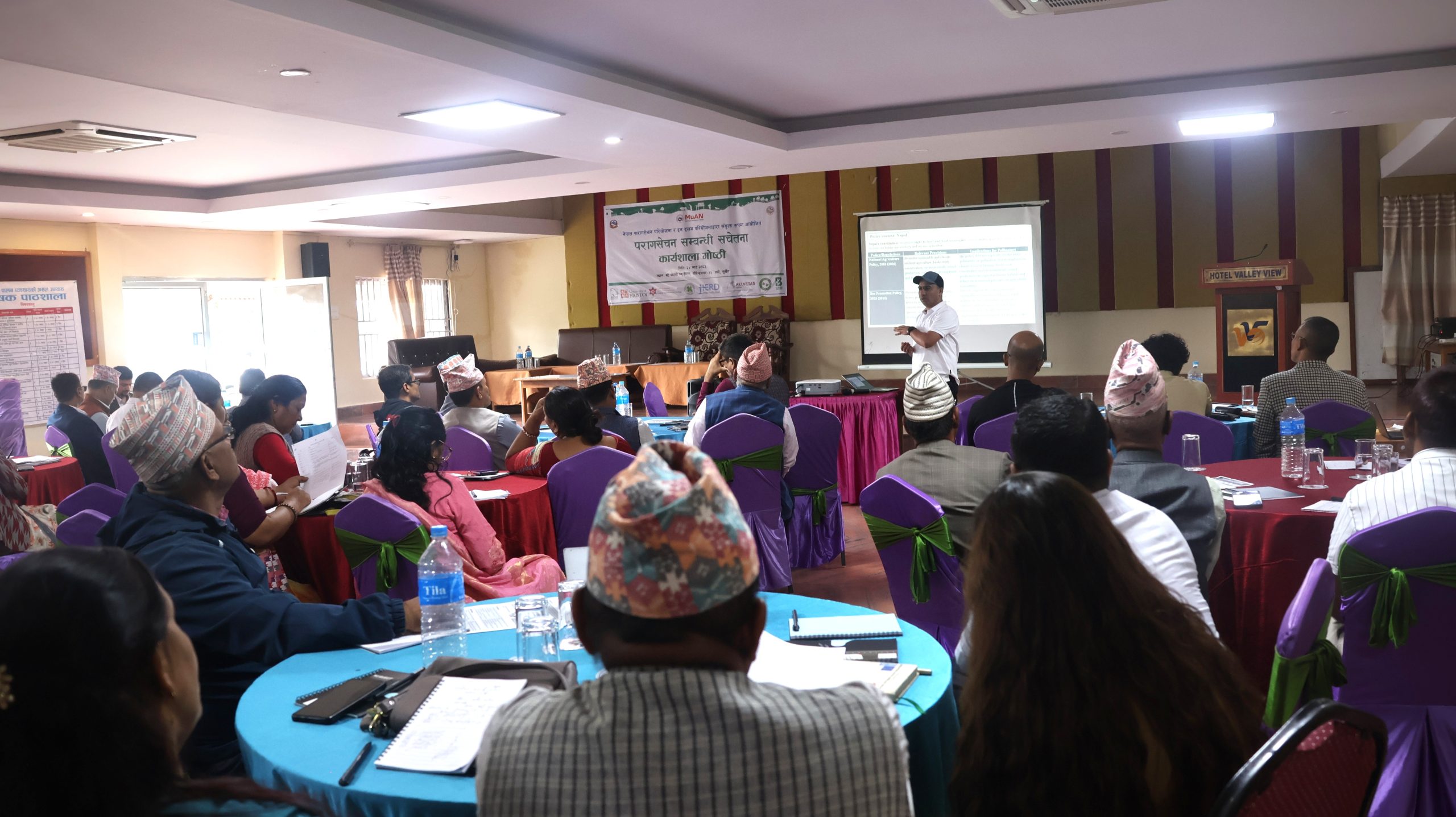
LI-BIRD successfully organized a half-day Pollinator Sensitization Workshop on 9 September 2026 at Stay Valley View Hotel, Lade, Surkhet, in collaboration with HELVETAS and the Federation of Nepal Beekeepers (FNBK)–Karnali, with support from the Municipal Association of Nepal (MuAN) and the National Association of Rural Municipalities in Nepal (NARMIN). The workshop was conducted under the Darwin Initiative-Nepal Pollination Project (DI-NPP).
The workshop was a fruitful gathering of 49 participants, including Mayors, Deputy Mayors, Chairpersons, and Deputy Chairpersons from seven municipalities and six rural municipalities of Karnali Province, along with representatives from Universities, MoLMAC Karnali, Karnali Province Training Academy (KPTA), Agriculture Development Office, Surkhet, NGOs, and INGOs. The workshop aimed to strengthen understanding of pollination, pollinator conservation, and the importance of pollination services for sustainable agriculture and ecological balance while exploring opportunities to integrate pollinator conservation and pollination management into local policies, plans, and programmes. The event also provided an important platform for sharing experiences, discussing local opportunities, and strengthening collaboration among local governments and relevant stakeholders. The program also provided a platform to share and discuss the Karnali Pollinator Strategy Plan among different levels of participants.
In his remarks, Mr. Hast Pun, Mayor of Gurbhakot Municipality and Coordinator of MuAN Karnali Province, emphasized the critical role of pollinators in sustaining Nepal’s agricultural systems, stating, “Pollinators are essential to Nepal’s agriculture, and their conservation and promotion require collective action from governments, development partners, and communities alike.”
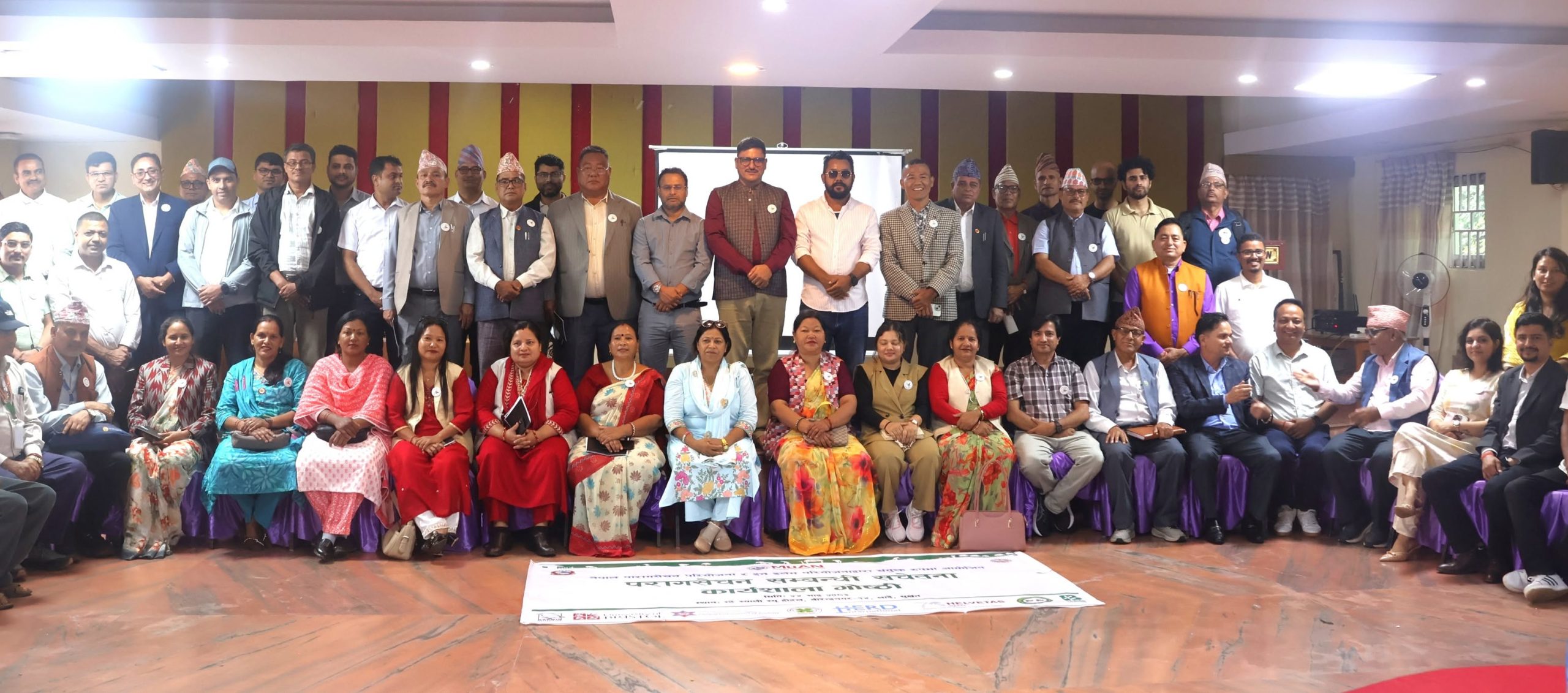
Concluding the event, LI-BIRD highlighted the critical role of pollination services in supporting agricultural productivity, environmental sustainability, and food security. The workshop also facilitated discussion on the Karnali Pollinator Strategy and ended with a shared commitment to strengthen pollinator conservation efforts and expand related initiatives across Karnali and beyond through continued collaboration and awareness-raising.