
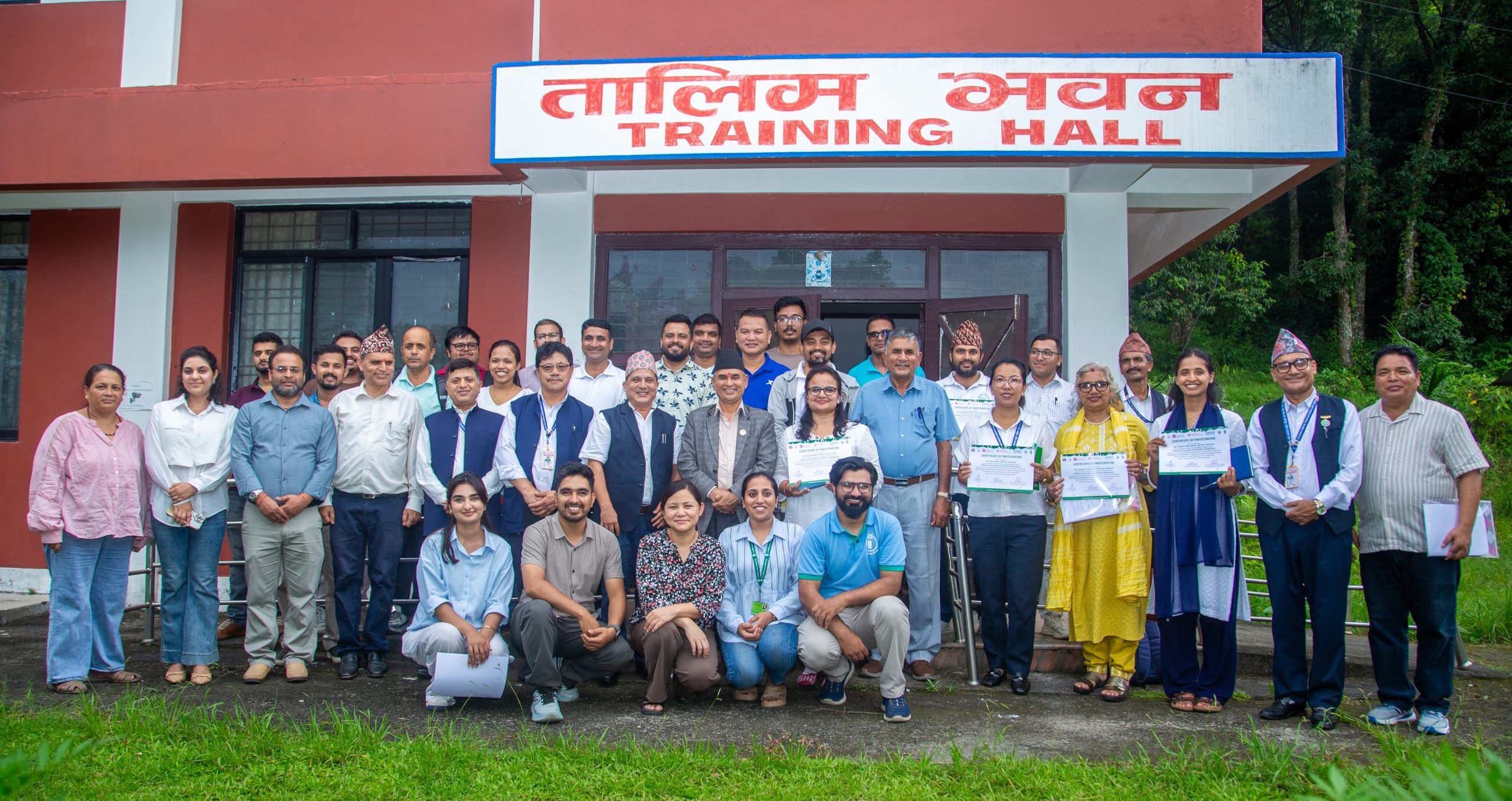
LI-BIRD under the Nepal Pollination Project (DI-NPP) successfully concluded Three days Training of Trainers (ToT) on Pollinator conservation and Pollination management in collaboration with Agri-Business Promotion, Training and Resource Center, Pokhara, from 10th to 12th August 2026.
The training gathered diverse mix of 36 professionals from Gandaki, including extension and plant protection officers from Agriculture Development Offices; representatives from National Agriculture Modernization Project and Project Implementation Units; officials from the Provincial Agriculture Laboratory, Ministry of Agriculture, Land Management and Cooperatives, Horticulture Research Station, Directorate of Agriculture Research, and Agri-Business Promotion, Training and Research Center (ABPTRC); academicians from the Institute of Forestry, Pokhara Campus and College of Natural Resource Management; and representatives from NGOs like Bird Conservation Nepal, Caritas, and Herd International.
The training was facilitated by Dr. Kedar Devkota, PhD, Assistant Professor, Agriculture and Forestry University; Mr. Binod Hamal, Senior Agriculture Development Officer (ABPTRC), Pokhara; Mr. Sujan Sapkota, Project Manager, HERD International; and Mr. Hridesh Sharma, Team Leader, LI-BIRD.
The 3-day ToT included extensive discussion sessions on basic concepts of pollination, the pollination process and the importance of pollinators; Ecology and lifecycle of major insect pollinators; pollinator declines, their causes, consequences, and reversing pollinator declines; managing pollination services; Habitat Management of insect pollinators; Integrated Pest and Pollinator Management (IPPM); and Agroecosystem and Agroecology. The practical sessions incorporated fieldwork for pollinator observation and identification, making habitat for pollinators, and integration of pollinator conservation and pollination management into district agriculture budget and activities.
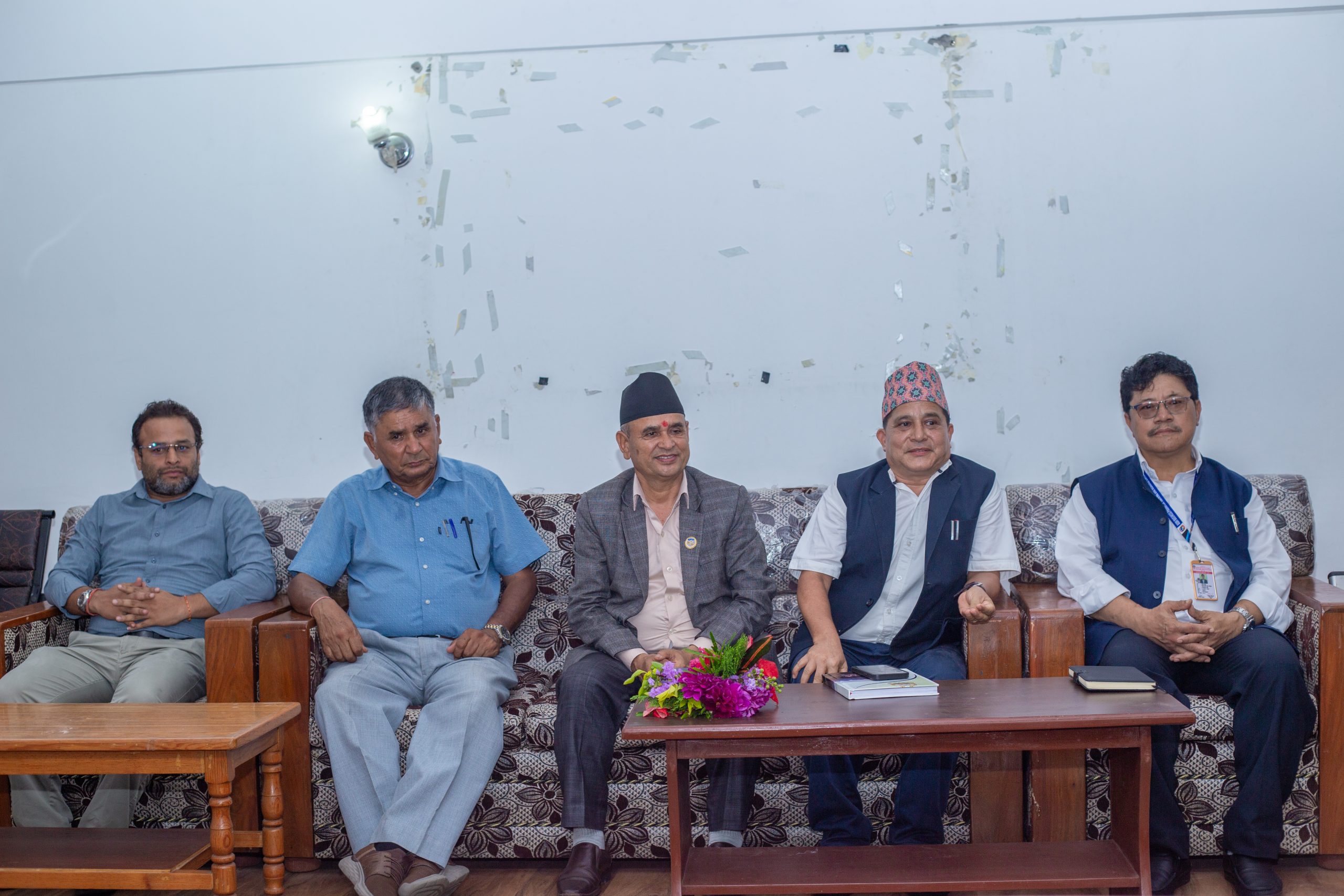
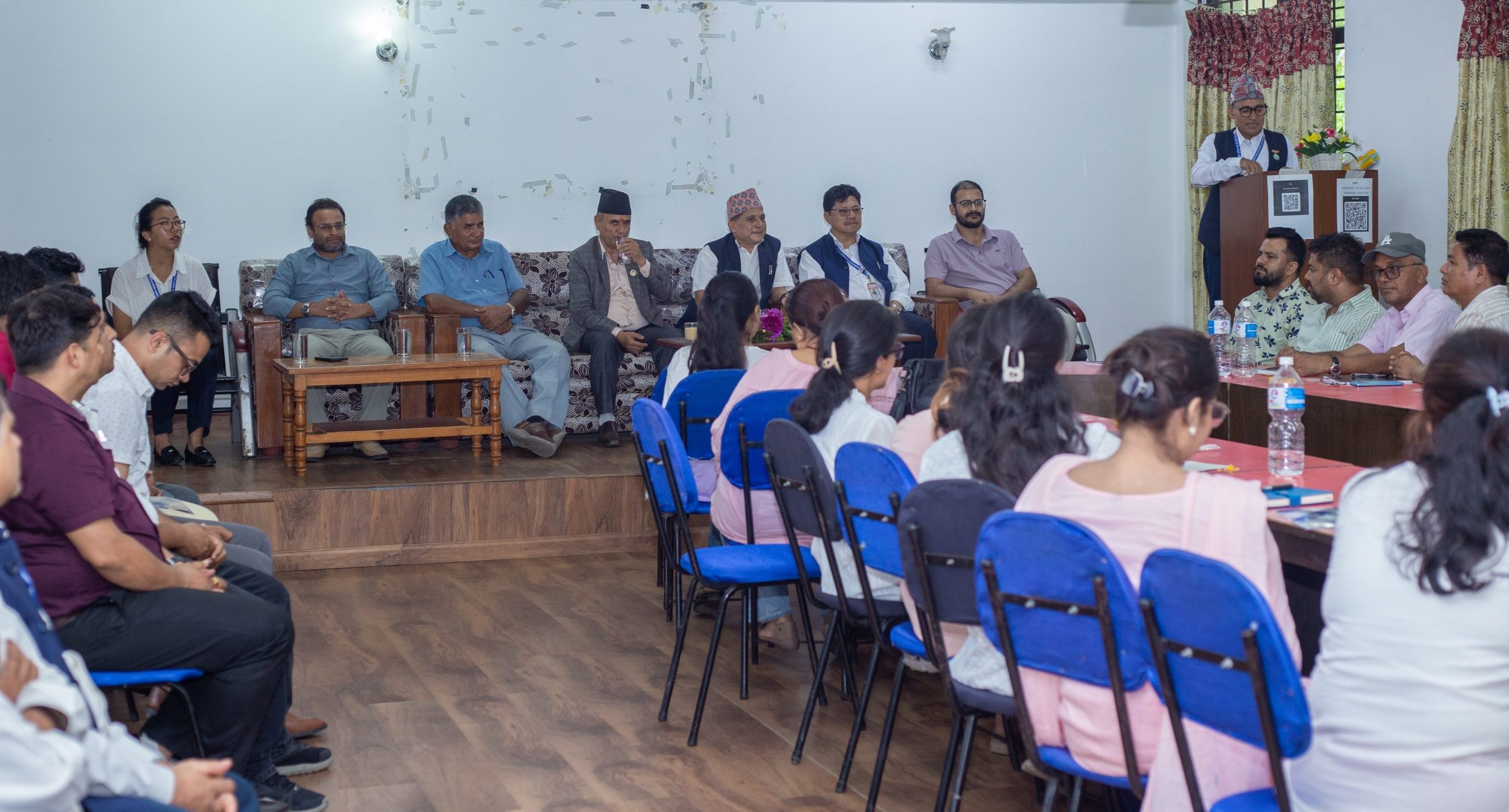
Hon’ble Minister Mr. Bhim Bahadur Karki, Ministry of Agriculture, Land Management and Cooperatives, Gandaki Province, graced the final day as the chief guest for the event, with Mr. Binod Hamal, Senior Agriculture Development Officer, ABPTRC, Pokhara, chairing the session. “We have taken the service of pollinators like bees in our agriculture and ecosystems for granted,” said Minister Karki, urging all tiers of the government to take initiatives to conserve Nepal’s agro-ecosystems for sustainable agriculture. He called on the newly trained participants to lead the way in rolling out pollinator-friendly initiatives across their districts.
Other dignitaries present included Mr. Rajesh Gurung (Senior Agriculture Extension Officer); Ms. Sony Rana (Senior Horticulture Development Officer); Mr. Beni Bahadur Basnet (Secretary, LI-BIRD); and Mr. Kedar Devkota, PhD. The 3-day ToT was formally concluded by Mr. Binod Hamal, who expressed his gratitude to LI-BIRD for organizing such an important event.
This training is just the beginning. Participants are now equipped to pass on their knowledge through cascading to the district and local levels, and helping ensure they’re reflected in future annual budgets and programmes.
The Nepal Pollination Project, supported by the Darwin Initiative and the University of Bristol and implemented by a consortium of LI-BIRD, HERD International, AFU, and TU, promotes sustainable beekeeping and pollinator conservation across Nepal. This Training of Trainers is one of the project’s key initiatives to build local capacity for pollinator conservation and pollination management, equipping government, academic, and civil society stakeholders to transfer this knowledge to farmers and communities at the district and local levels.