
Photos: SUN Civil Society Network
From April 13–17, 2026, members of the Scaling Up Nutrition Civil Society Network (SUN CSN) from across Asia, Africa, and Latin America gathered in Hanoi, Viet Nam for an inspiring five-day peer-to-peer learning visit focused on Closing the Gender Nutrition Gap and Fostering Climate-Smart Food Systems Transformation.
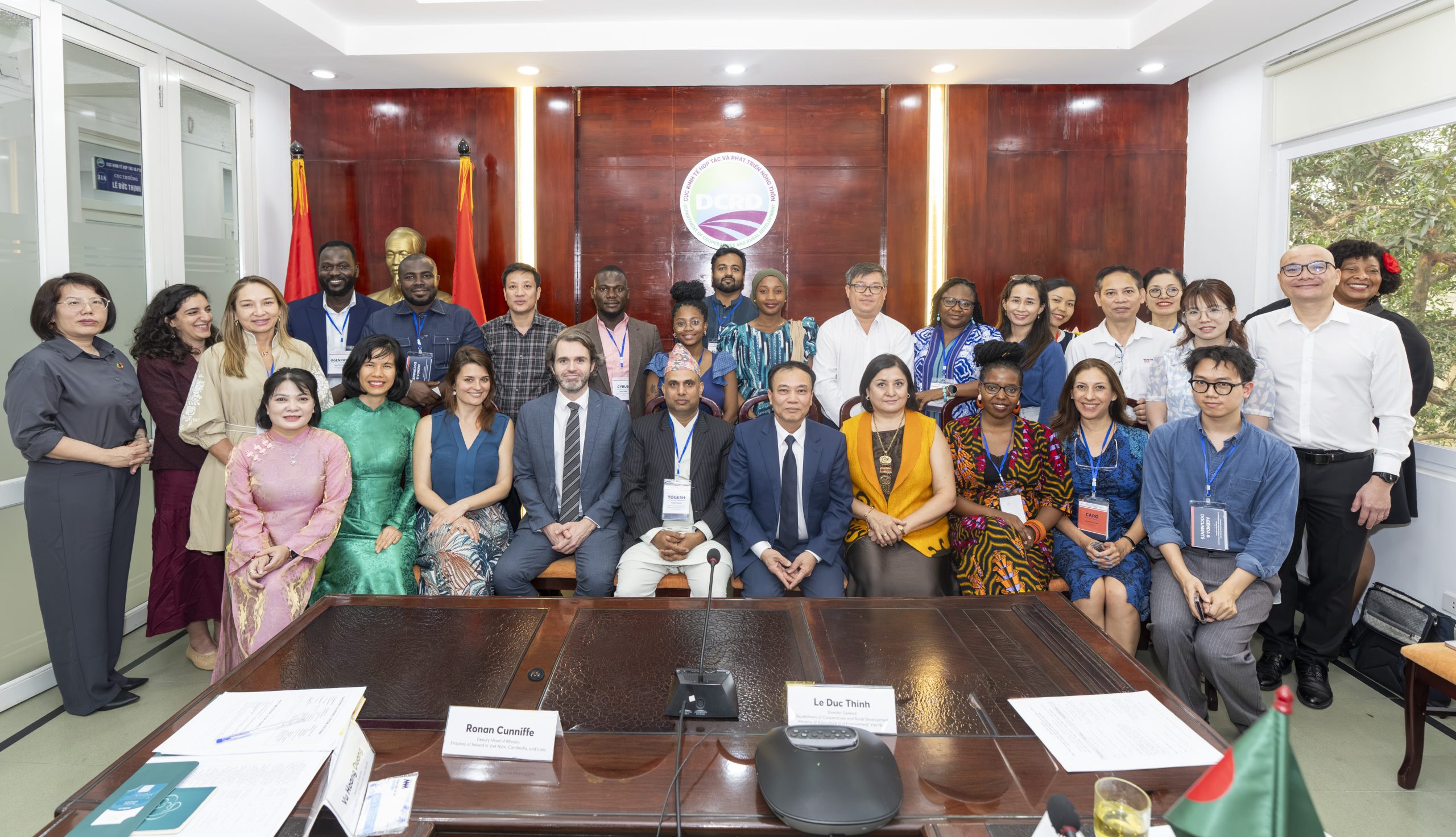
The learning visit brought together 14 participants representing Nepal, Bangladesh, Cambodia, Malawi, Colombia, Panama, Kyrgyzstan, Namibia, Nigeria, Tanzania, Liberia, Togo and South Sudan. Organised under the SUN CSN Global Peer-to-Peer Learning Programme, the initiative was co-organised with the SUN Civil Society Network / FHI 360 / Alive & Thrive, with support from Deutsche Gesellschaft für Internationale Zusammenarbeit (GIZ) GmbH and the Government of Ireland through the Embassy of Ireland in Vietnam.
More than just a study visit, the programme created a dynamic platform for dialogue, collaboration, reflection, and action. Over five days, participants explored how countries can better integrate nutrition, gender equality, climate resilience, and sustainable agriculture into food systems transformation, combining high-level policy discussions, field-based learning, and peer exchanges to connect global ideas with practical local solutions.
Setting the Stage: From Policy to Practice
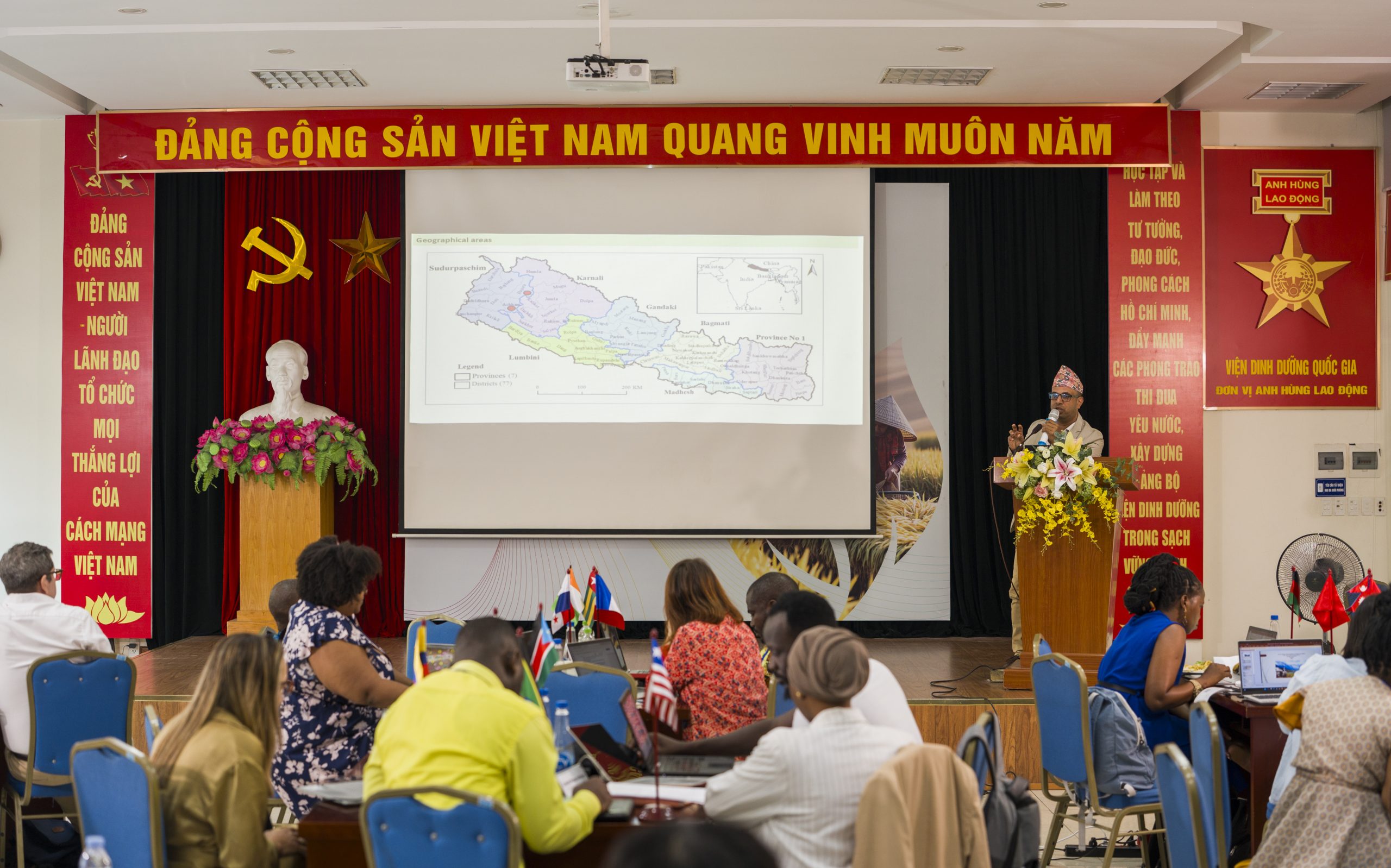
The learning journey began in Hanoi with policy-level discussions at the National Institute of Nutrition and the Ministry of Agriculture and Environment, providing participants with valuable insights into Viet Nam’s efforts to strengthen nutrition governance while advancing climate-resilient and sustainable food systems. Government officials and technical experts shared experiences on translating national commitments — including Vietnam’s Food Systems Transformation Plan toward 2030 — into practical actions that prioritise sustainability, inclusiveness, and accountability.
A panel discussion on moving “from policy to practice” emphasised coordinated action across health, agriculture, nutrition, gender, and environment, reinforcing a central message: solving malnutrition requires systemic transformation that places women, vulnerable communities, and climate resilience at the centre of development efforts.
Learning Through Exchange and Collaboration
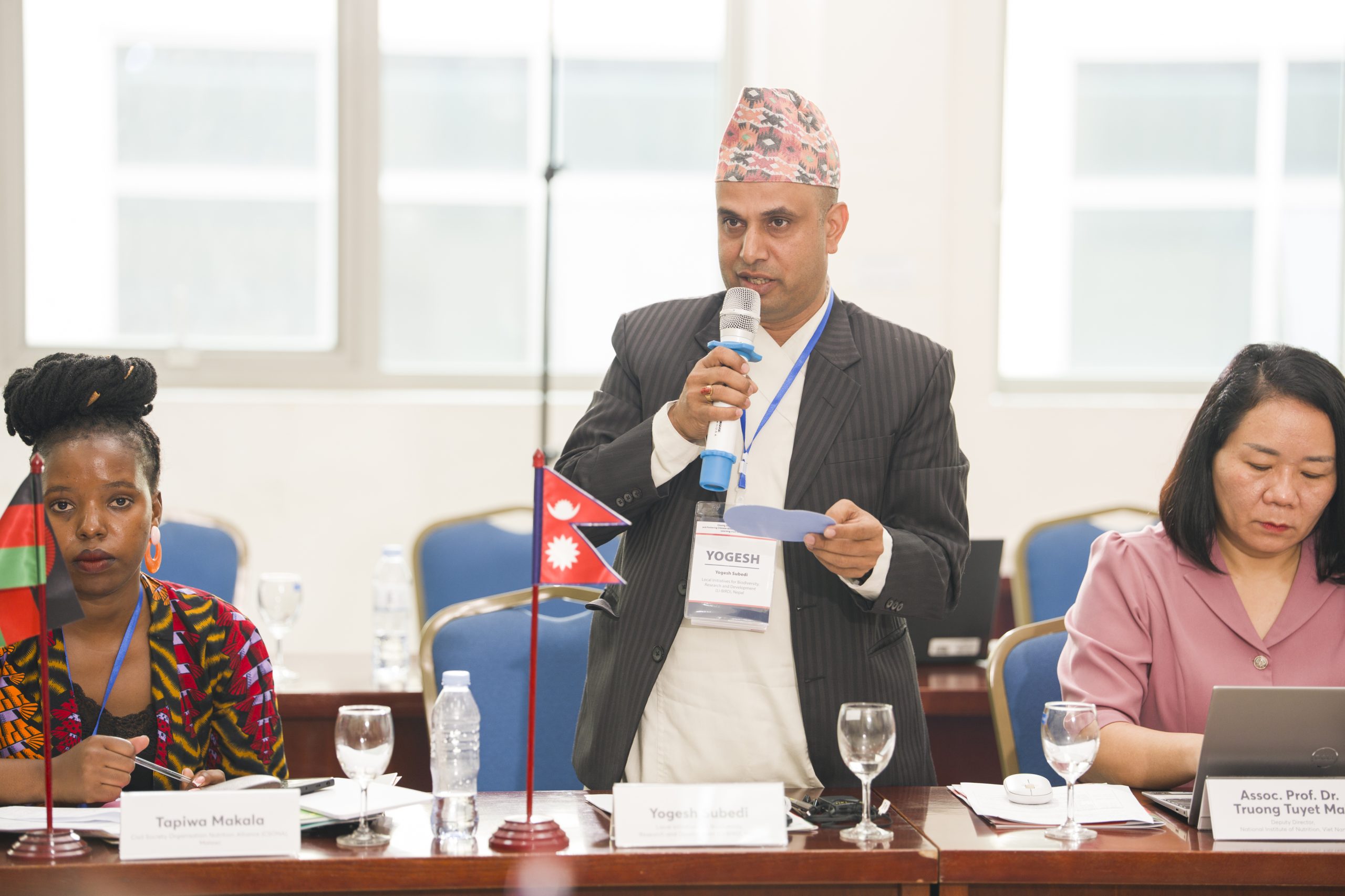
Beyond formal presentations, one of the most enriching aspects of the visit was peer-to-peer learning. Participants openly shared experiences, reflected on common challenges, and explored innovative approaches from different contexts. Interactive sessions on collective advocacy and building a Community of Practice created space for deeper engagement, while discussions linked to the International Year of Women Farmers highlighted the importance of recognising and strengthening women’s role in food systems transformation.
Several shared challenges emerged, including limited use of gender-disaggregated data, weak local institutional capacities, and insufficient integration of climate resilience into food and nutrition interventions. Participants also shared inspiring examples of local approaches helping to address these gaps.
Field Insights: Translating Concepts into Action
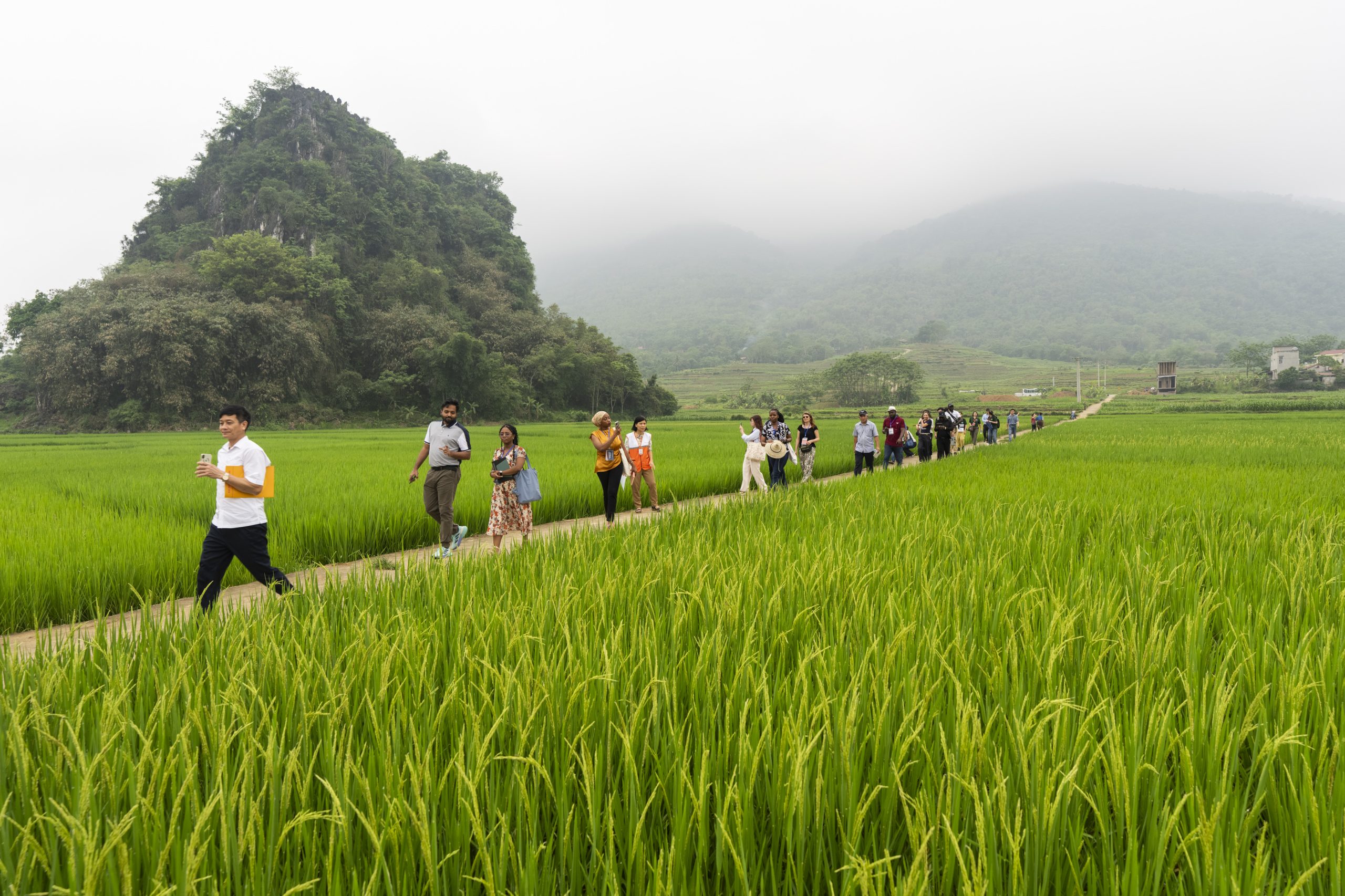
The field visit to Thanh Hoa Province provided one of the most impactful components of the learning journey. A key experience was the visit to the Farmer Managed Natural Regeneration (FMNR) initiative, which demonstrated how restoring degraded ecosystems can simultaneously improve agricultural productivity, strengthen climate resilience, and support better nutrition outcomes. A solar irrigation programme supported by World Vision has enabled farmers to shift from one rice season to two per year, increasing income and improving food security, while use of organic local inputs has contributed to biodiversity regeneration.
Visits to programme areas in Pu Luong and Ba Thuoc showcased integrated community-based initiatives by World Vision International, including nutrition-sensitive livelihoods, household nutrition gardens, ecosystem restoration, and climate-resilient agricultural practices.
Another inspiring experience came from the GRET-supported Pu Luong project, which empowers ethnic minority women through sustainable ecotourism and natural resource management — illustrating how women’s economic participation contributes to improved household nutrition, resilience, and community wellbeing.
From Learning to Action
The final day focused on turning knowledge into action. Participants developed practical action plans tailored to their country contexts, strengthened through peer feedback sessions that encouraged collaboration and accountability. The emphasis throughout was on identifying realistic, scalable solutions to close gender nutrition gaps while building climate-smart food systems — with the clear understanding that the value of the visit depends on how effectively participants apply these lessons at home.
Looking Ahead
The Hanoi learning visit demonstrated that closing the gender nutrition gap is not only a social and development priority but a strategic pathway toward resilient and sustainable food systems. By combining strong policy frameworks, community-driven approaches, and collaborative learning, countries can accelerate progress toward equitable nutrition outcomes for future generations.
The journey from Hanoi may have concluded, but the work toward inclusive, climate-resilient, and nutrition-sensitive food systems continues.
This article is also available at: https://www.suncivilsociety.com/learning-from-hanoi-bridging-gender-gaps-for-a-climate-resilient-food-future/