In the rugged hills of Bajura and Achham districts of western Nepal, stunning landscapes often conceal a persistent challenge: child malnutrition. Geographic isolation, limited access to health services, and socioeconomic hardships continue to shape the daily realities of families living in these remote mountain communities. Addressing such complex challenges requires more than isolated interventions; it calls for coordinated efforts across organisations, sectors, and communities.
The nutrition profile of Nepal reflects a pattern of overall improvement at the national level, but with persistent and significant sub-national disparities, particularly in remote and mountainous regions. According to the Nepal Demographic and Health Survey 2022, the national prevalence of stunting (25%), wasting (8%), and underweight (19%) indicates a moderate public health concern, showing progress compared to previous years but still signaling chronic and acute undernutrition challenges. However, when disaggregated geographically, Sudurpashchim Province demonstrates a higher burden, particularly in chronic malnutrition, with stunting previously reported at around 28%, already exceeding the national average.
More recent evidence from the SMART+ Survey 2025 suggests a mixed trend in the province. While stunting has slightly declined to 25.3%, aligning closer to the national average, acute malnutrition has worsened considerably, with wasting (GAM-WHZ) rising to 14.9%, which exceeds the WHO emergency threshold (>10%) and indicates a serious public health situation. Similarly, underweight prevalence has increased to 25.5%, reflecting both chronic and acute nutritional deficits and suggesting deterioration in overall child nutritional status despite improvements in linear growth.
The situation becomes substantially more critical in Bajura District, particularly in its upper regions, where structural vulnerabilities such as food insecurity, limited health service access, and difficult terrain exacerbate malnutrition outcomes. According to both the SMART Survey 2022 and SMART+ 2025 findings, stunting remains alarmingly high at 46.8–47%, nearly double the national average and significantly higher than the provincial level, indicating a persistent and severe burden of chronic malnutrition. Underweight prevalence at 30.9% further reinforces the long-term nutritional deprivation affecting children in the district. Interestingly, wasting (11.8%) in Bajura is lower than the provincial average (14.9%) but still above the critical threshold, indicating a sustained level of acute malnutrition risk.
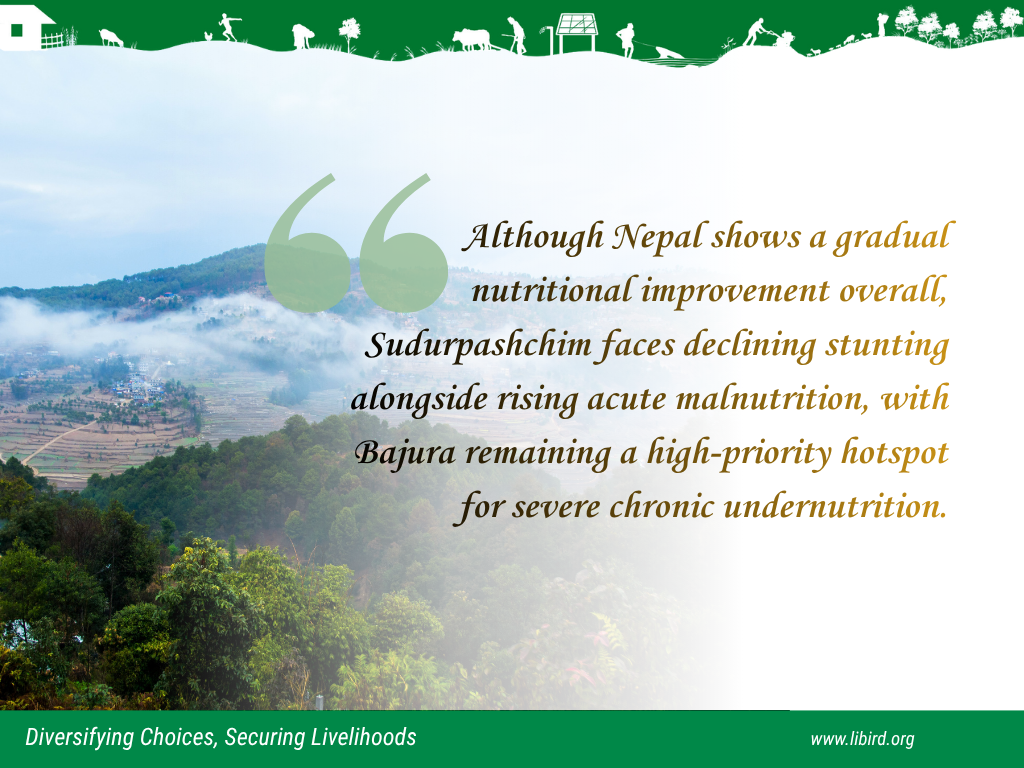
Comparatively, this data highlights a clear gradient of inequality: while Nepal as a whole shows gradual nutritional improvement, Sudurpashchim Province experiences a dual burden of declining stunting, but rising acute malnutrition, and Bajura District remains a high-priority hotspot with extreme levels of chronic undernutrition. The divergence between stunting and wasting trends also suggests that while long-term interventions (e.g., maternal nutrition, child feeding practices) may be yielding some results at broader levels, short-term shocks such as food insecurity, seasonal hunger, and inadequate dietary diversity are increasingly affecting acute nutrition outcomes.
These figures reflect a complex interplay of factors, including poverty, food insecurity, poor sanitation, limited access to health services, and gaps in community awareness about proper nutrition practices. Improving nutrition outcomes, therefore, requires not only better food availability but also stronger community knowledge and more effective frontline service delivery.
To respond to these challenges, the European Union-funded initiative “Empowered Communities and Civil Society Organizations for Inclusive Nutrition Governance in the Hilly and Mountain Regions of Western Nepal” was launched through a consortium approach. The initiative brings together Local Initiatives for Biodiversity, Research and Development (LI-BIRD) as the lead implementing partner in Bajura, Working for Access and Creation (WAC) Nepal in Achham, with technical support from Welthungerhilfe (WHH). Working closely with local governments and communities, the project contributes to the implementation of Nepal’s Multi-Sector Nutrition Plan (MSNP III), strengthening inclusive nutrition governance and building the capacity of frontline service providers.
In rural Nepal, Female Community Health Volunteers (FCHVs) play a vital role in bridging communities and health systems. Often the first point of contact for mothers seeking advice on child health and nutrition, these volunteers serve as trusted sources of information. However, field observations revealed that many FCHVs and health workers had limited access to refresher training on nutrition assessment and counselling. Some were newly appointed, while others had not received updated training for several years. As a result, both practical skills and the use of standard nutrition monitoring tools remained inconsistent.
To address these gaps, the project introduced the Nutrition Education and Rehabilitative Program (NERP), a community-focused training approach designed to strengthen the knowledge, skills, and confidence of frontline health workers. For many communities in Bajura and Achham, NERP represented a new and practical approach to nutrition education.
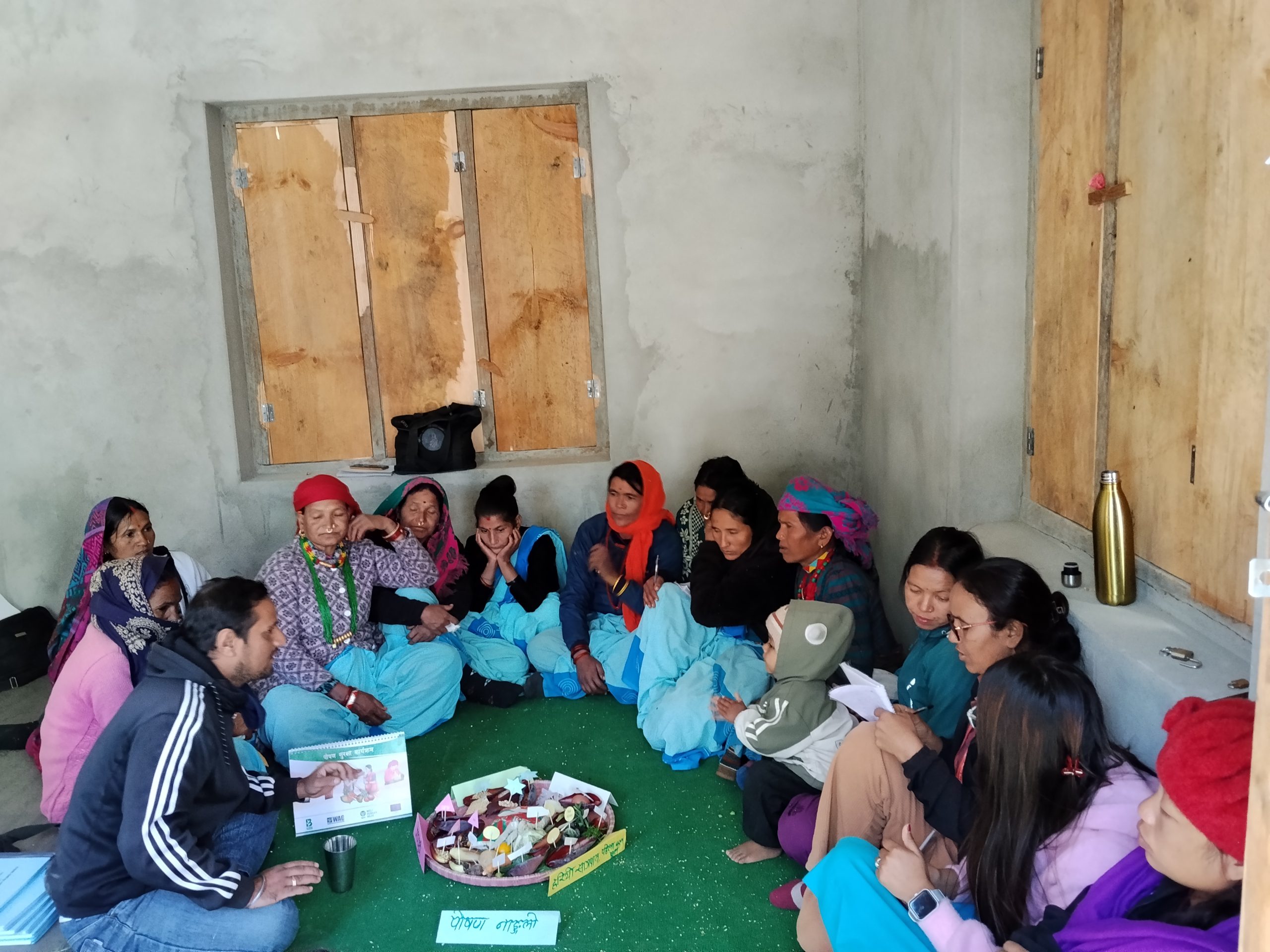
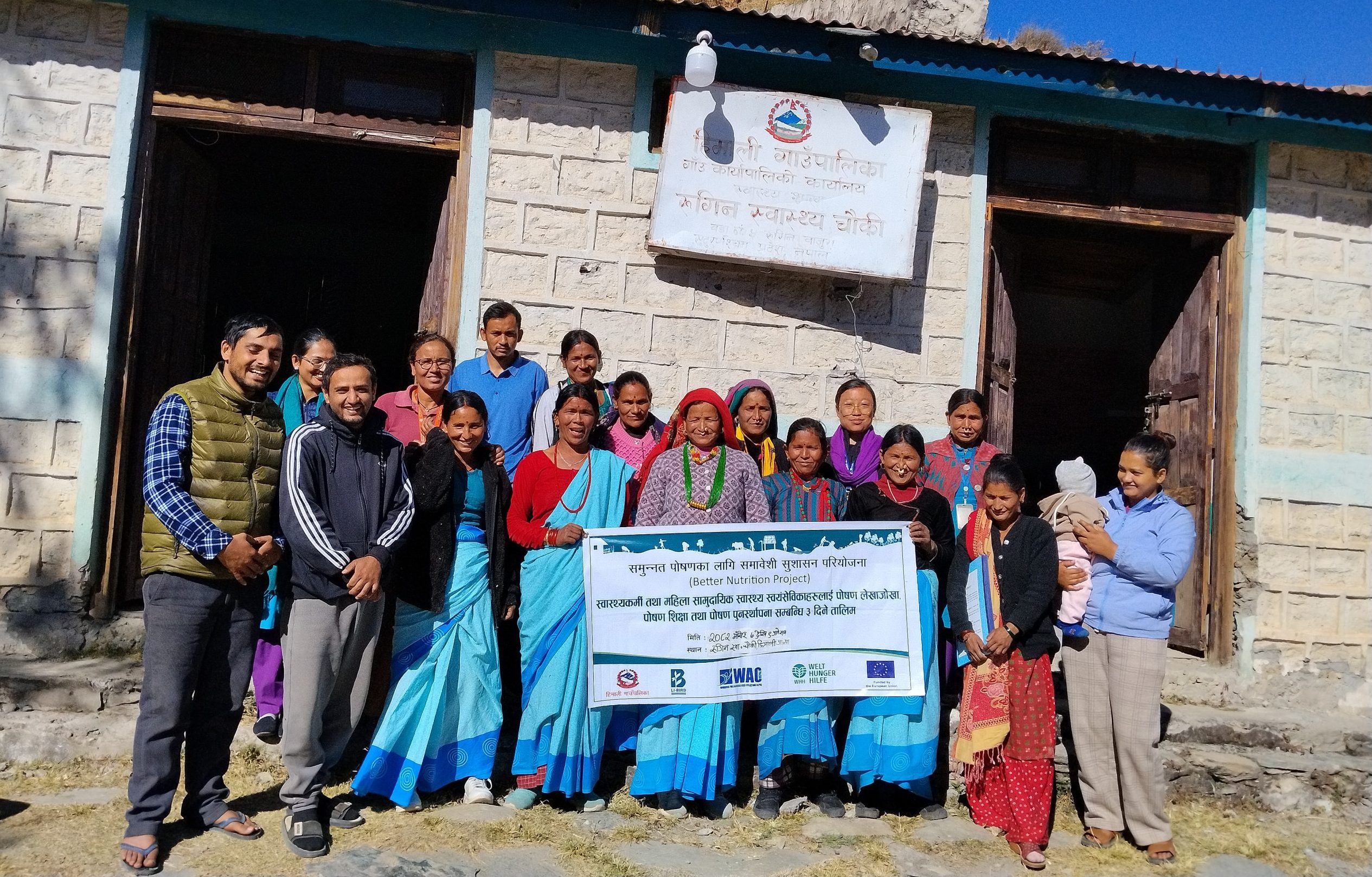
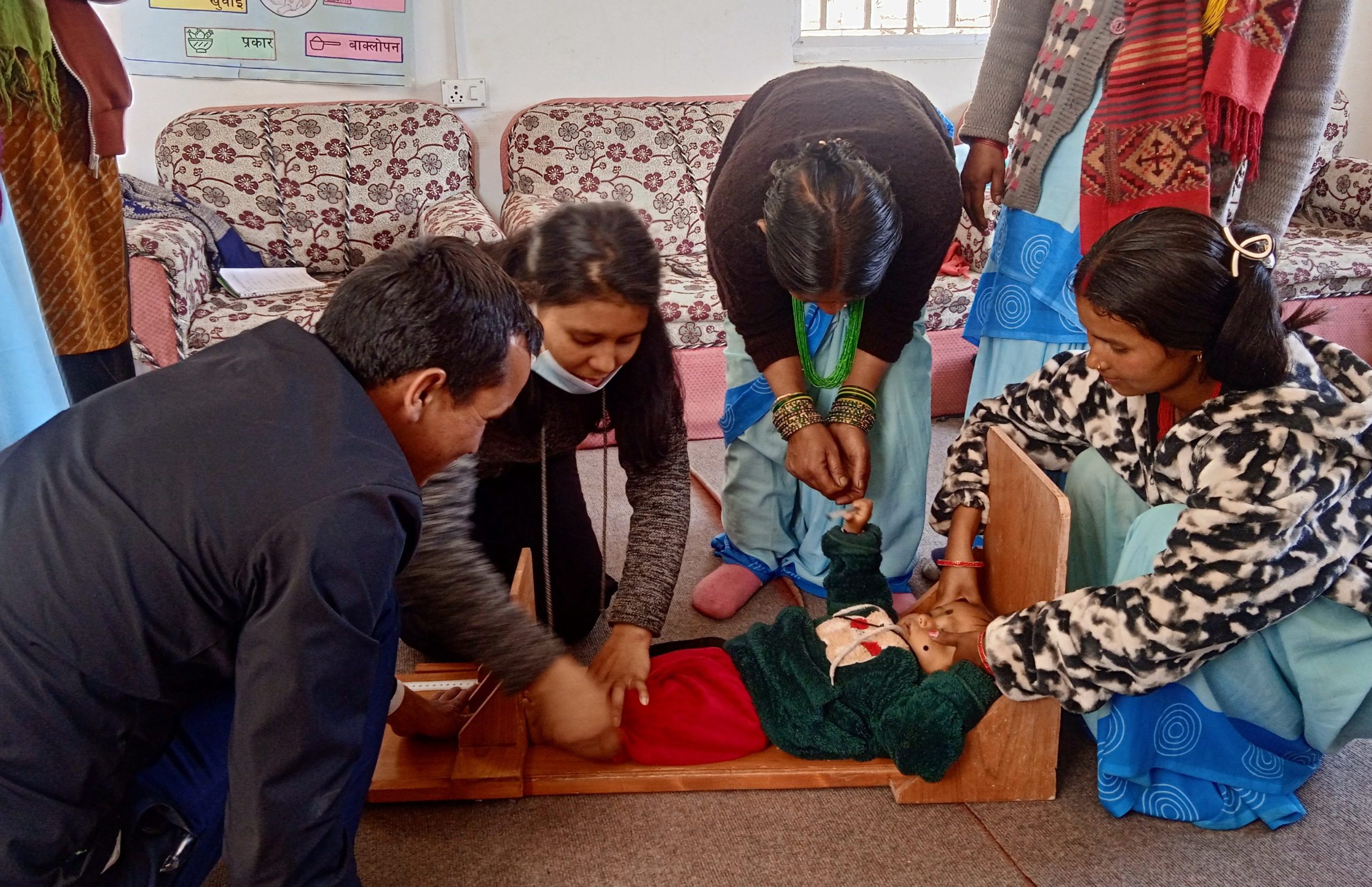
The training was carefully coordinated with municipal health sections and local health facilities to ensure alignment with government systems. Unlike conventional training that relies primarily on lectures, NERP emphasizes participatory and hands-on learning. Participants explored key topics such as balanced diets, causes and types of malnutrition, growth monitoring practices, and the interpretation of nutrition indicators. Through demonstrations, group discussions, and practical exercises, they practiced using assessment tools and learned effective ways to counsel caregivers.
The results were encouraging. Participants reported improved confidence in assessing children’s nutritional status and communicating key nutrition messages to families. By emphasizing practical application rather than theoretical instruction alone, the training helped bridge the gap between knowledge and real-world practice.
NERP also strengthened connections between community initiatives and government nutrition programs. Health workers were encouraged to integrate the newly learned tools into routine services, enabling more systematic nutrition assessments and improving community-level monitoring. This alignment ensures that the program reinforces existing public health systems rather than operating as a standalone intervention.
Equally important is the program’s focus on sustainability. By building the capacity of local health workers and volunteers, the initiative ensures that knowledge and skills remain within communities long after project activities conclude. Strong collaboration with local governments further increases the likelihood that NERP practices will continue to be integrated into routine nutrition services. Through this project, we conducted capacity-building training on NERP for 259 health workers and 332 FCHVs across 14 health institutions in Achham and Bajura districts.
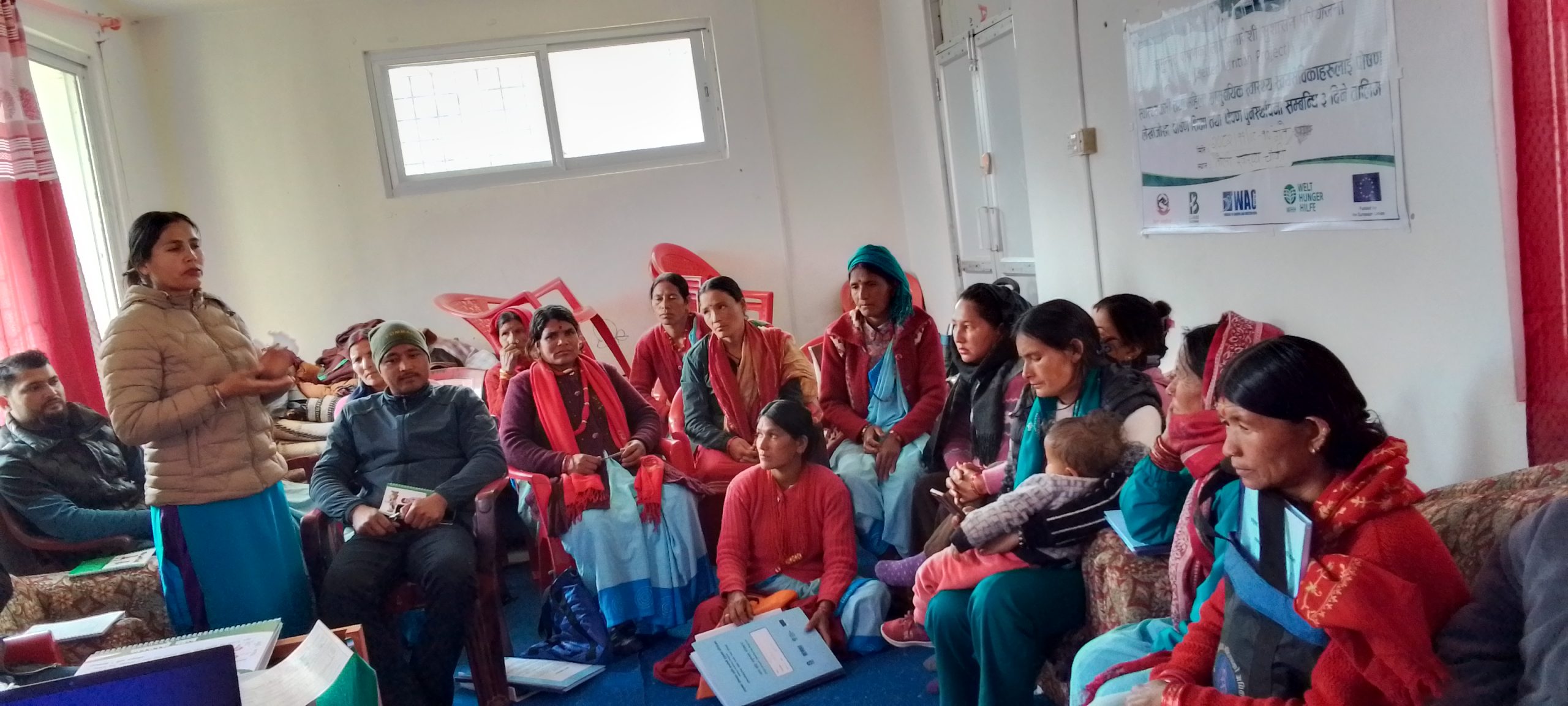
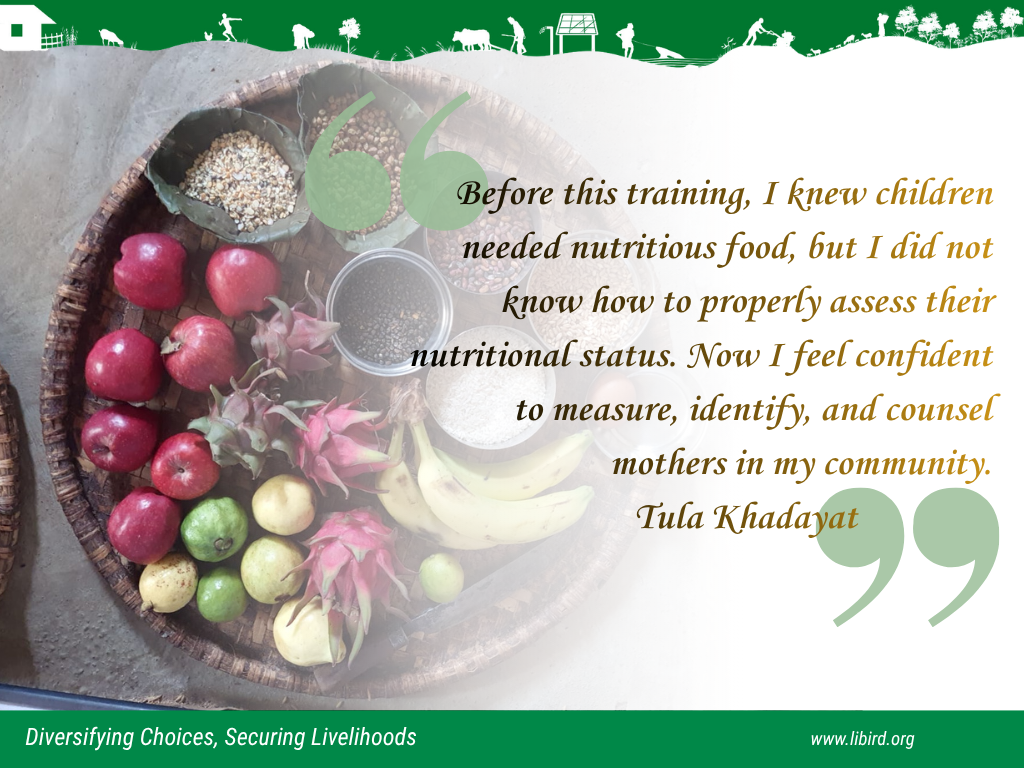
For many participants, the impact was immediate and personal. One of the FCHV, Tula Khadayat from Budhiganga Municipality, shared:“Before this training, I knew children needed nutritious food, but I did not know how to properly assess their nutritional status. Now I feel confident to measure, identify, and counsel mothers in my community.”
Another participant added:
“This training was very practical. We didn’t just listen, but also practiced and learned how to apply the knowledge in real-life situations. Moreover, it served as a valuable refresher for us.”
In the remote hills of Bajura and Achham, where distance and terrain often limit access to services, such community-driven initiatives highlight a powerful lesson: when knowledge becomes practical and locally owned, communities gain the tools they need to protect the health and future of their children.